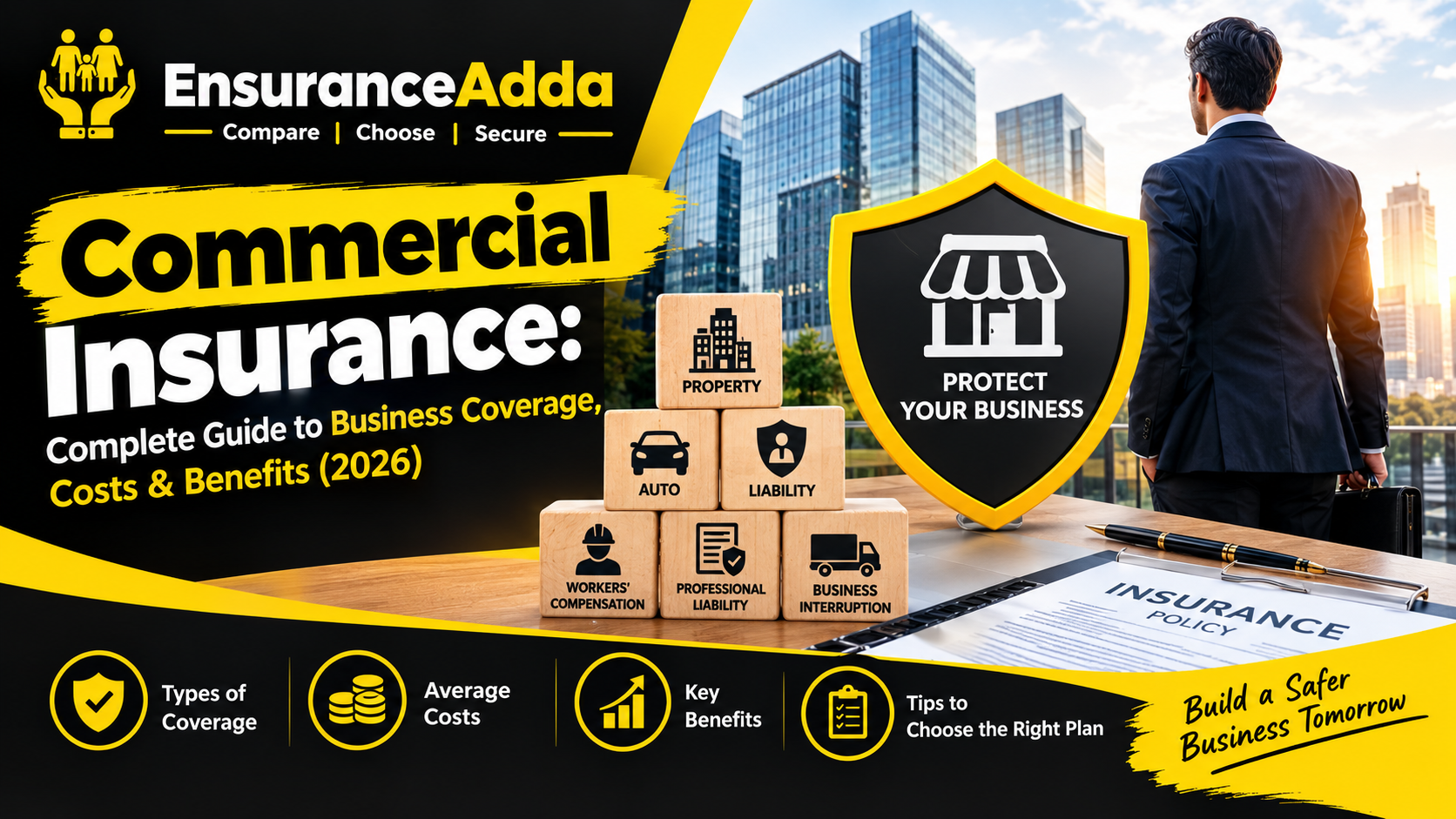
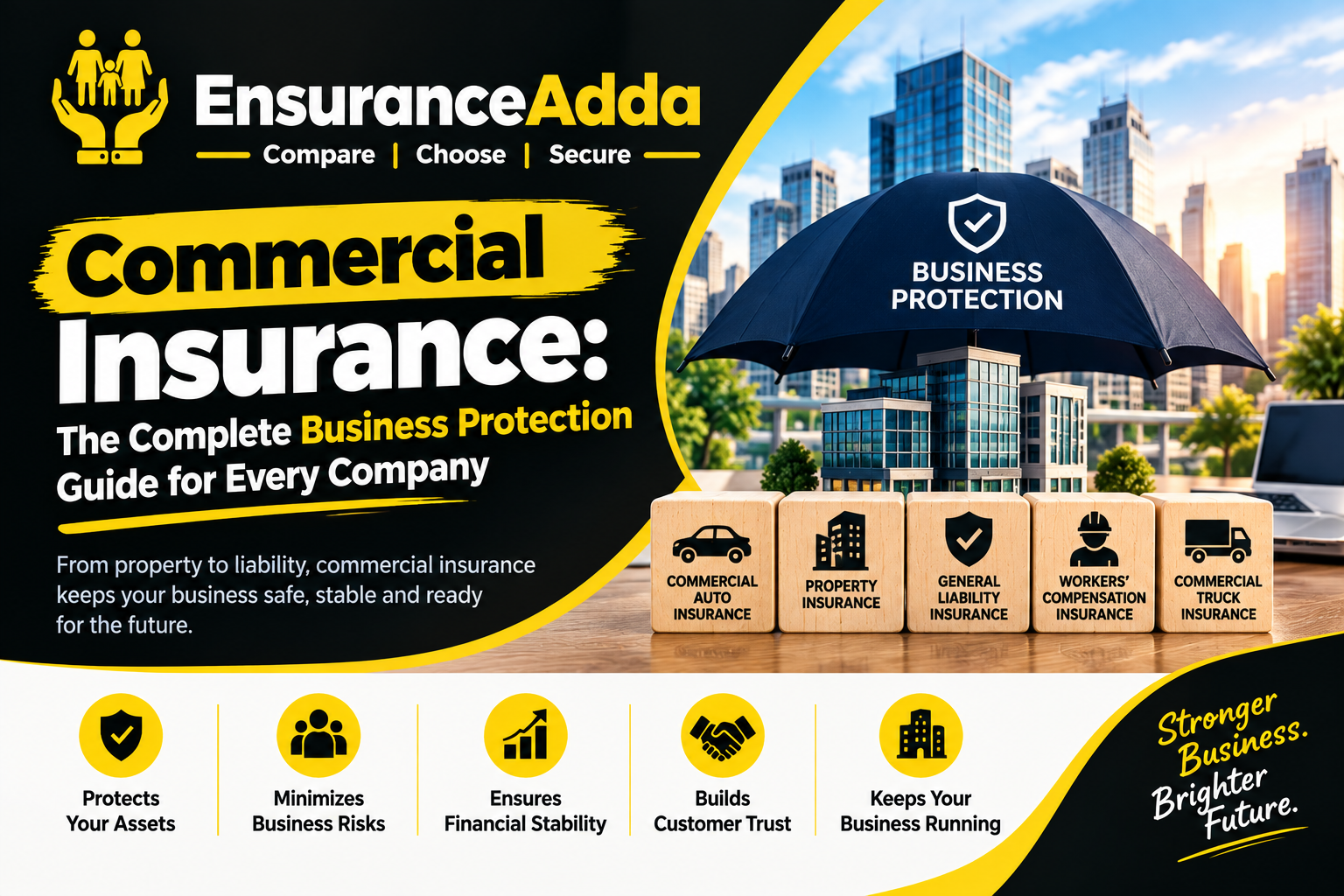
Commercial Insurance is one of the most important investments for any business, whether you run a startup, retail shop, logistics company, trucking fleet, manufacturing unit, or professional service firm. Every business faces financial risks such as accidents, lawsuits, property damage, employee injuries, cyber threats, and vehicle-related losses. The right Commercial Insurance policy helps protect your business from these unexpected expenses and keeps operations running smoothly.
In today’s competitive market, choosing the best Commercial Insurance plan can save thousands of dollars and provide peace of mind. From commercial truck insurance companies to progressive commercial insurance, businesses have multiple coverage options based on industry and business size. Trucking businesses especially require specialized coverage like commercial dump truck insurance and cargo protection.
This comprehensive guide explains everything you need to know about Commercial Insurance, including its types, benefits, coverage options, costs, and how to choose the best policy for your business. If you’re searching for reliable business protection, this guide is designed for you.
Commercial Insurance at a Glance
| Feature | Details |
|---|---|
| Focus Keyword | Commercial Insurance |
| Suitable For | Small businesses, startups, contractors, trucking companies, retailers, manufacturers |
| Main Protection | Liability, property, commercial vehicles, employees, cyber risks |
| Popular Coverage Types | General Liability, Commercial Auto, Property, Workers’ Compensation, Cyber Insurance |
| Specialized Coverage | Commercial Truck Insurance, Commercial Dump Truck Insurance |
| Business Benefit | Financial protection, legal compliance, business continuity |
What Is Commercial Insurance?
Commercial Insurance is a business insurance policy designed to protect companies against financial losses arising from unexpected events. Unlike personal insurance, it covers risks related to business operations, employees, commercial vehicles, equipment, inventory, and customer liability.
Businesses purchase Commercial Insurance to safeguard assets, reduce legal liability, and meet regulatory or contractual insurance requirements.
Why Commercial Insurance Matters
A single lawsuit or accident can cost a business thousands—or even millions—of dollars. Commercial insurance helps pay for:
- Property damage.
- Legal defense costs.
- Medical expenses.
- Employee injuries.
- Vehicle accidents.
- Business interruption losses.
- Cyber attacks and data breaches.
Without proper Commercial Insurance, businesses may struggle to recover financially after a major incident.
Who Needs Commercial Insurance?
Almost every business benefits from Commercial Insurance.
Small Businesses
Examples include:
- Grocery stores
- Cafes
- Salons
- Medical clinics
- Coaching centers
- Retail shops
Service-Based Businesses
Examples include:
- Consultants
- Accountants
- Architects
- IT companies
- Marketing agencies
Construction Businesses
Coverage is important for:
- Contractors
- Builders
- Electricians
- Plumbers
- Painters
Transportation Businesses
Businesses operating commercial vehicles require specialized Commercial Insurance, including trucking companies and logistics operators. Specialized trucking coverage is often required for freight operations and commercial vehicles.
Types of Commercial Insurance Every Business Should Know
Commercial insurance includes multiple coverage types. Businesses often combine policies based on their operations.
1. General Liability Commercial Insurance


General liability is considered the foundation of Commercial Insurance.
It covers:
- Third-party bodily injury.
- Property damage.
- Legal expenses.
- Advertising injury.
- Product liability claims.
Example: A customer slips inside your retail store and suffers an injury. General liability insurance helps cover medical bills and legal costs.
Best For:
- Retail businesses.
- Restaurants.
- Offices.
- Service providers.
2. Commercial Property Insurance


This Commercial Insurance policy protects physical assets owned by your business.
It covers:
- Office buildings.
- Warehouses.
- Furniture.
- Equipment.
- Inventory.
- Machinery.
Covered Events
- Fire.
- Theft.
- Storm damage.
- Vandalism.
- Explosion.
Property insurance helps businesses recover quickly after unexpected disasters.
3. Commercial Auto Insurance

Businesses using vehicles require Commercial Insurance specifically for automobiles.
It covers:
- Company cars.
- Delivery vans.
- Pickup trucks.
- Food trucks.
- Fleet vehicles.
Coverage usually includes:
- Bodily injury liability.
- Property damage liability.
- Collision coverage.
- Comprehensive coverage.
- Medical payments.
Commercial auto insurance is one of the most commonly purchased commercial policies.
4. Workers’ Compensation Insurance
Businesses with employees often need workers’ compensation coverage.
It helps pay for:
- Medical treatment.
- Lost wages.
- Disability benefits.
- Rehabilitation expenses.
Many jurisdictions legally require businesses with employees to carry this coverage.
5. Professional Liability Insurance
Professional liability protects businesses offering advice or professional services.
Examples include:
- Lawyers.
- Doctors.
- Consultants.
- Engineers.
- Designers.
Coverage includes:
- Errors and omissions.
- Professional negligence.
- Legal defense costs.
6. Cyber Commercial Insurance

Cyber insurance protects businesses against digital risks.
Coverage includes:
- Data breaches.
- Cyber extortion.
- Malware attacks.
- Ransomware recovery.
- Customer notification costs.
As businesses become digital, cyber commercial insurance becomes increasingly important.
Key Coverages Included in Commercial Insurance
| Coverage | Purpose |
|---|---|
| General Liability | Protects against lawsuits and third-party claims. |
| Commercial Property | Covers buildings, equipment, inventory, and furniture. |
| Commercial Auto | Protects business-owned vehicles. |
| Workers’ Compensation | Covers employee workplace injuries. |
| Professional Liability | Covers mistakes in professional services. |
| Cyber Insurance | Protects against online security incidents. |
| Business Interruption | Replaces lost income during covered disruptions. |
What Does Commercial Insurance Cover?
A comprehensive Commercial Insurance policy may include protection for different types of risks depending on your selected coverage.
Business Assets
Coverage includes:
- Office equipment.
- Computers.
- Machinery.
- Furniture.
- Inventory.
Legal Liability
Protection against:
- Customer lawsuits.
- Property damage claims.
- Injury claims.
- Advertising claims.
Commercial Vehicles
Protection includes:
- Accidents.
- Theft.
- Fire damage.
- Collision repair.
- Natural disasters.
Employees
Coverage includes:
- Workplace accidents.
- Medical bills.
- Disability benefits.
- Wage replacement.
Business Income Loss
If your business temporarily closes because of a covered event, business interruption insurance may replace lost income.
Industries That Need Commercial Insurance Most
| Industry | Recommended Commercial Insurance |
|---|---|
| Retail Stores | General Liability + Property Insurance |
| Restaurants | Property + Liability + Workers’ Compensation |
| IT Companies | Cyber + Professional Liability |
| Construction | Contractor Liability + Equipment Insurance |
| Trucking Companies | Commercial Truck Insurance + Cargo Insurance |
| Healthcare Clinics | Professional Liability + Property Insurance |
| Manufacturing Units | Property + Equipment + Liability Insurance |
Benefits of Commercial Insurance for Business Owners
Financial Protection
Unexpected losses become manageable.
Business Continuity
Insurance helps businesses recover faster after disasters.
Customer Confidence
Clients trust insured businesses more.
Contract Compliance
Many vendors and government projects require valid Commercial Insurance before awarding contracts.
Employee Protection
Workers feel safer when businesses carry insurance coverage.
Common Risks Covered by Commercial Insurance
Commercial insurance helps businesses handle various risks, including:
- Fire damage.
- Theft.
- Flood damage (where applicable).
- Vehicle accidents.
- Product liability.
- Employee injuries.
- Equipment breakdown.
- Cyber attacks.
- Lawsuits.
- Property vandalism.
Different policies protect against different risks, so businesses often combine multiple coverages.
How Commercial Insurance Works
The insurance process is straightforward.
Step 1 — Business Risk Assessment
An insurer evaluates:
- Industry.
- Revenue.
- Number of employees.
- Assets.
- Vehicles.
- Location.
Step 2 — Choose Coverage
Businesses select coverage based on risks.
Step 3 — Pay Premium
Premiums depend on business size and risk profile.
Step 4 — File a Claim
If a covered incident occurs:
- Report the incident.
- Submit documents.
- Insurance company investigates.
- Claim is approved.
- Compensation is paid according to policy terms.
Factors That Affect Commercial Insurance Premiums
Several factors influence pricing.
| Factor | Impact |
|---|---|
| Business Industry | Higher-risk industries usually pay higher premiums. |
| Business Size | More employees and assets increase premium. |
| Business Location | Risk-prone locations affect pricing. |
| Coverage Limits | Higher limits increase cost. |
| Deductible Amount | Higher deductibles often reduce premiums. |
| Claims History | Previous claims may increase insurance costs. |
Commercial Insurance vs Personal Insurance
| Commercial Insurance | Personal Insurance |
|---|---|
| Protects businesses. | Protects individuals and families. |
| Covers commercial property. | Covers personal property. |
| Includes business liability. | Includes personal liability. |
| Covers employees. | Does not cover employees. |
| Covers commercial vehicles. | Covers personal vehicles only. |
Businesses should never rely on personal insurance for commercial operations.
Frequently Asked Questions (FAQs)
Commercial Insurance is a business insurance policy that protects companies against financial losses caused by property damage, lawsuits, employee injuries, vehicle accidents, cyber threats, and other business-related risks.
Almost every business benefits from Commercial Insurance, including small businesses, retailers, contractors, trucking companies, restaurants, startups, consultants, and manufacturing companies.
Coverage may include:
General liability.
Commercial property.
Commercial auto insurance.
Workers’ compensation.
Cyber insurance.
Business interruption.
Professional liability.
Coverage depends on the policy selected.
The requirement depends on your business type and local regulations. Many businesses need workers’ compensation or commercial auto insurance to meet legal or contractual requirements.
Progressive Commercial
Commercial truck insurance is specialized Commercial Insurance designed for trucks used for business purposes. It typically covers liability, physical damage, cargo, trailers, and roadside assistance.
Commercial dump truck insurance protects dump trucks used in construction, mining, and hauling businesses against accidents, liability claims, equipment damage, theft, and other business risks.
Compare providers based on:
Coverage options.
Claim support.
Fleet discounts.
Cargo insurance.
Financial strength.
Customer service.
Progressive commercial insurance provides insurance solutions for commercial vehicles, fleets, contractors, delivery businesses, and trucking companies, along with online policy management tools.
Progressive Commercial
Progressive agent login is an online portal for authorized insurance agents to manage commercial insurance quotes, renewals, policy documents, and customer information.
Progressive Commercial
You may reduce premiums by:
Maintaining a good claims history.
Improving workplace safety.
Installing security systems and GPS tracking.
Bundling insurance policies.
Comparing quotes from multiple providers.
Reviewing coverage annually.