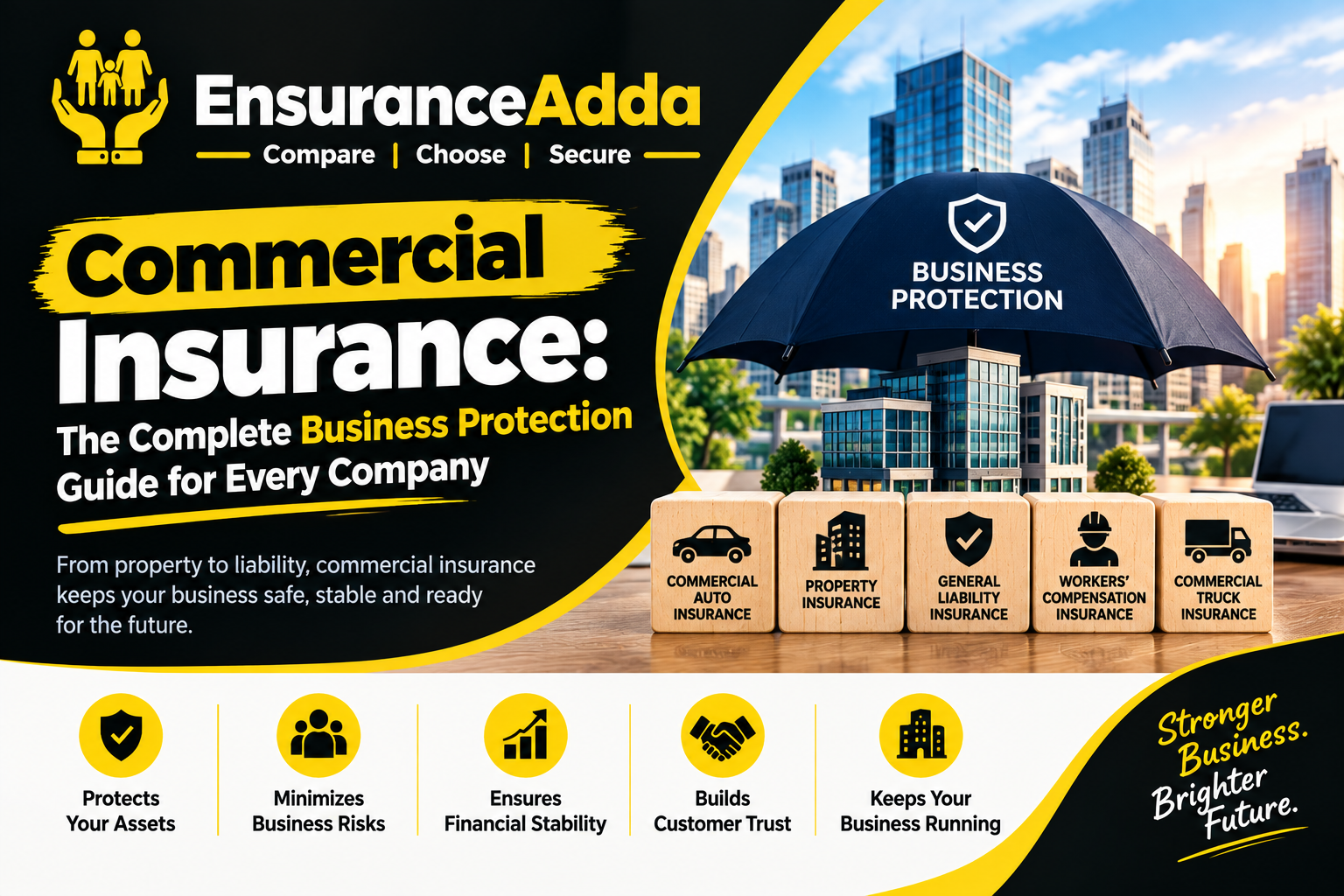
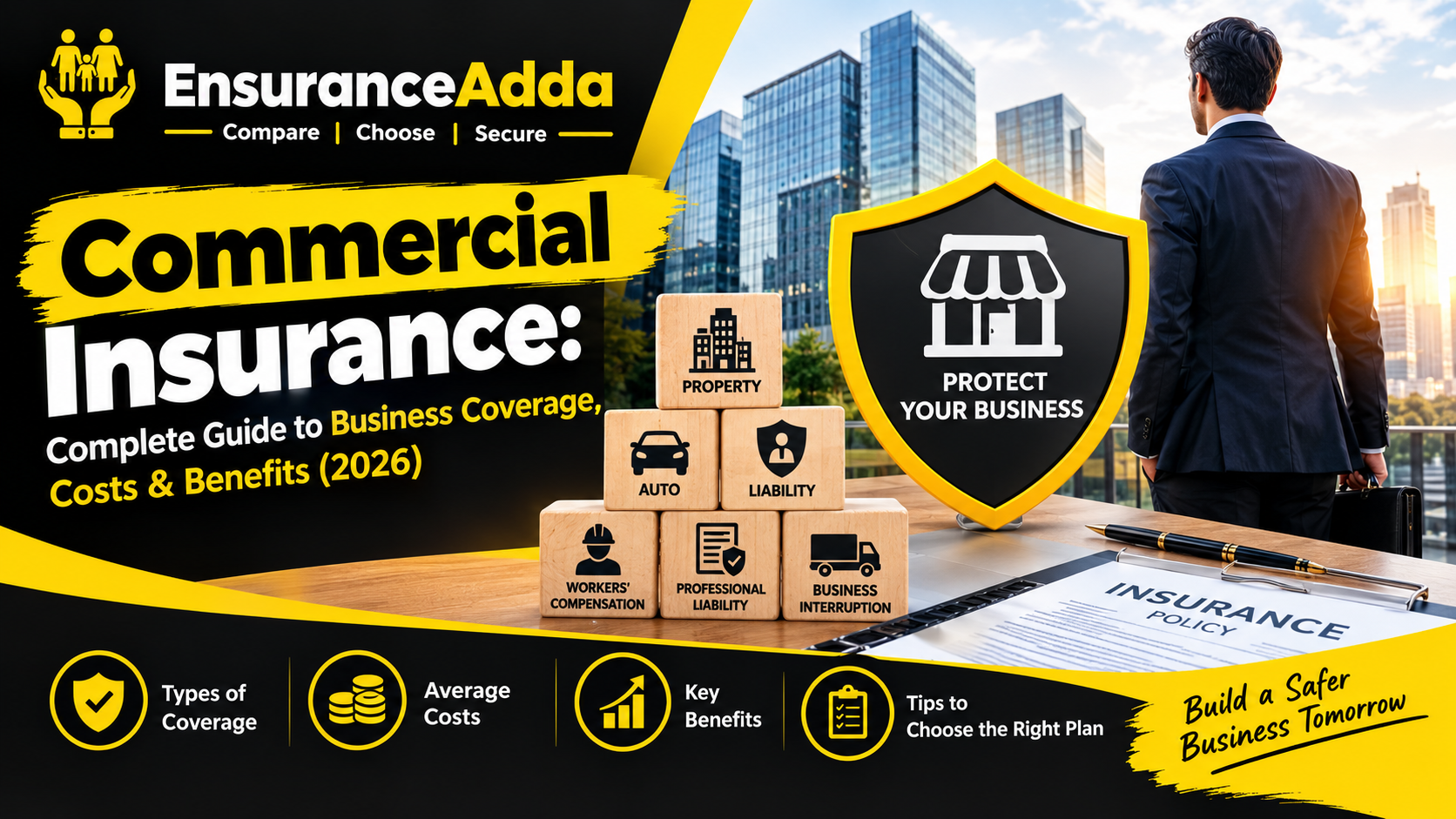
Running a business comes with opportunities, but it also comes with risks. Whether you own a small startup, a retail shop, a trucking company, or a large corporation, commercial insurance protects your business from unexpected financial losses. From property damage and lawsuits to vehicle accidents and employee injuries, the right insurance policy helps keep your business operating even during difficult situations.
In 2026, businesses face increasing risks from cyber threats, natural disasters, legal claims, and rising repair costs. That’s why choosing the right commercial insurance policy is more important than ever. This guide explains everything you need to know about business insurance, including different coverage options, average costs, how to compare policies, and expert tips for selecting the best protection.
If you’re looking for affordable and reliable commercial insurance, this article will help you make an informed decision.
What Is Commercial Insurance?
Commercial insurance is a type of business insurance designed to protect companies against financial losses caused by accidents, property damage, lawsuits, theft, and other business-related risks.
Unlike personal insurance, commercial policies are tailored specifically for businesses of all sizes and industries.
Businesses That Need Commercial Insurance
- Small businesses
- Restaurants and cafes
- Retail stores
- Construction companies
- Trucking businesses
- Delivery services
- Freelancers and consultants
- Manufacturing companies
- Healthcare providers
- Technology companies
Having the right commercial insurance policy helps protect your assets, employees, customers, and business reputation.
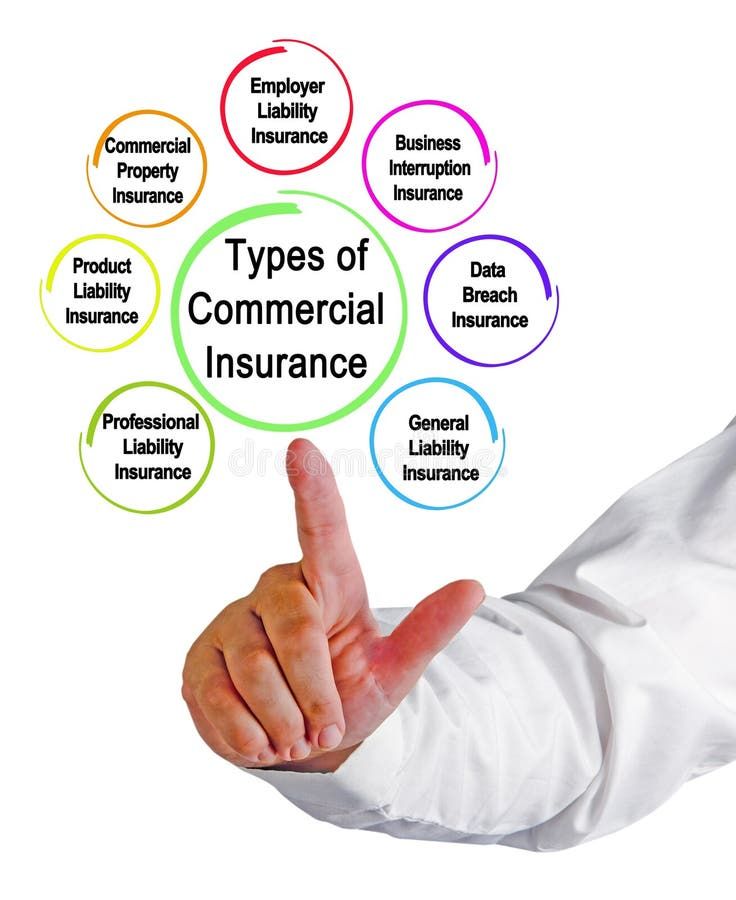
Commercial Insurance at a Glance
| Insurance Type | What It Covers | Best For |
| Commercial General Liability Insurance | Customer injuries, lawsuits, property damage | Almost every business |
| Commercial Property Insurance | Buildings, equipment, inventory | Retail, offices, warehouses |
| Commercial Auto Insurance | Business vehicles and drivers | Delivery, logistics, sales teams |
| Commercial Auto Liability Insurance | Injuries and damages caused by company vehicles | Businesses using vehicles |
| Workers’ Compensation | Employee injuries and medical expenses | Employers |
| Professional Liability Insurance | Errors, negligence, legal defense | Consultants, agencies |
| Cyber Liability Insurance | Data breaches and cyberattacks | Online businesses |
Why Is Commercial Insurance Important?
Every business faces risks that could lead to expensive financial losses. A single lawsuit or accident could cost thousands—or even millions—of dollars.
Top Benefits of Commercial Insurance
- Protects business property.
- Covers legal expenses and settlements.
- Pays for vehicle accidents involving business vehicles.
- Helps recover after theft, fire, or natural disasters.
- Meets state or industry legal requirements.
- Builds trust with customers and partners.
Real-Life Example
Imagine a delivery van owned by your company causes an accident. Without commercial auto liability insurance, your business could pay medical bills, repair costs, and legal fees out of pocket.
Types of Commercial Insurance Every Business Should Know
1. Commercial General Liability Insurance
Commercial general liability insurance is one of the most important business insurance policies.
It covers claims related to:
- Bodily injury.
- Property damage.
- Personal injury.
- Advertising injury.
- Legal defense costs.
Example
A customer slips inside your store and gets injured. This insurance helps pay medical bills and legal costs if the customer files a lawsuit.
Best For: Retail stores, restaurants, contractors, offices, service businesses.
2. Commercial Property Insurance
Commercial property insurance protects your physical business assets.
It Covers
- Office buildings.
- Warehouses.
- Furniture.
- Equipment.
- Inventory.
- Computers.
- Fire damage.
- Theft and vandalism.
Why It Matters
If a fire damages your office or warehouse, this policy helps repair or replace damaged property.
Best For: Businesses owning buildings or valuable equipment.
3. Commercial Auto Insurance
If your business owns vehicles, commercial auto insurance is essential.
Coverage Includes
- Collision damage.
- Theft.
- Fire damage.
- Weather damage.
- Medical payments.
- Vehicle repairs.
Businesses using delivery vans, trucks, taxis, or service vehicles benefit greatly from this coverage.
4. Commercial Auto Liability Insurance
Commercial auto liability insurance specifically covers damages your business vehicle causes to others.
It Covers
- Third-party injuries.
- Third-party property damage.
- Legal defense.
- Accident settlements.
Many states require minimum liability limits for commercial vehicles.

Who Needs Commercial Auto Insurance?
Many businesses assume personal auto insurance covers business use. In most cases, it doesn’t.
Businesses That Should Have It
- Delivery companies.
- Food delivery services.
- Electricians.
- Plumbers.
- Landscapers.
- Sales representatives.
- Contractors.
- Logistics companies.
If employees drive company-owned vehicles, commercial auto insurance is highly recommended.
Commercial Insurance Costs in 2026
Commercial insurance premiums depend on several factors.
Average Annual Costs
| Coverage | Average Cost |
| General Liability | $400–$1,500/year |
| Commercial Property | $600–$2,500/year |
| Commercial Auto | $1,200–$3,500/year |
| Commercial Auto Liability | $750–$2,000/year |
| Workers’ Compensation | $500–$3,000/year |
Factors That Affect Pricing
- Business size.
- Industry.
- Number of employees.
- Business location.
- Revenue.
- Claims history.
- Number of vehicles.
- Coverage limits.
Choosing higher deductibles often reduces premium costs.
How to Choose the Best Commercial Insurance Policy
Selecting the right policy requires understanding your business risks.
Step-by-Step Guide
- Identify business risks.
- Evaluate property and equipment value.
- Calculate liability exposure.
- Compare multiple insurers.
- Bundle policies for discounts.
- Review exclusions carefully.
Questions to Ask Before Buying
- What’s covered?
- What’s excluded?
- What’s the deductible?
- What are the liability limits?
- Is business interruption included?
- Are vehicles fully covered?
Best Industries for Commercial Insurance
Construction Businesses
Need:
- General liability.
- Property insurance.
- Commercial vehicle insurance.
- Equipment coverage.
Retail Businesses
Need:
- Property insurance.
- Liability insurance.
- Theft coverage.
Restaurants
Need:
- Liability coverage.
- Property insurance.
- Food spoilage protection.
Professional Services
Need:
- Professional liability.
- Cyber insurance.
- General liability.
What Does Commercial Insurance Usually Cover?
Covered Risks
- Fire.
- Theft.
- Vandalism.
- Storm damage.
- Customer injuries.
- Vehicle accidents.
- Equipment damage.
- Legal claims.
Common Exclusions
- Intentional damage.
- Fraud.
- Wear and tear.
- Floods (unless added separately).
- Earthquakes (unless included).
- Certain cyber incidents without cyber coverage.
Understanding exclusions helps avoid claim surprises.
Commercial Truck Insurance Companies: How to Choose the Right Provider
If your business operates trucks for transportation, logistics, or construction, choosing reliable commercial truck insurance companies is essential. Truck insurance policies are designed to protect vehicles, drivers, cargo, and businesses from costly accidents and liability claims.
What Commercial Truck Insurance Covers
- Liability for bodily injury and property damage.
- Physical damage to trucks.
- Cargo protection.
- Medical payments.
- Uninsured or underinsured motorist coverage.
- Roadside assistance (optional).
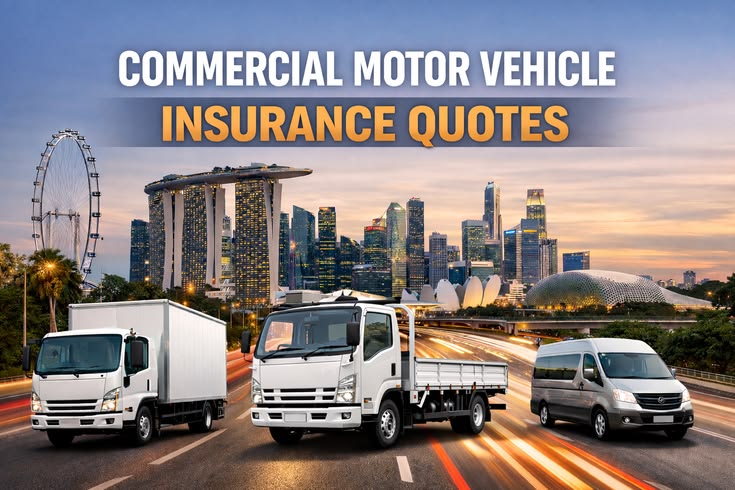
What to Compare Between Commercial Truck Insurance Companies
| Feature | Why It Matters |
| Coverage Limits | Protects against large accident claims. |
| Premium Cost | Helps balance affordability and protection. |
| Claims Process | Faster claims reduce business downtime. |
| Fleet Discounts | Saves money if you insure multiple trucks. |
| 24/7 Support | Useful for businesses operating nationwide. |
Businesses That Need Commercial Truck Insurance
- Freight companies.
- Logistics providers.
- Construction contractors.
- Moving companies.
- Agricultural transport businesses.
- Dump truck operators.
Choosing experienced commercial truck insurance companies can help businesses minimize financial risks while staying compliant with regulations.
Progressive Commercial Insurance: Is It Worth Considering?
Progressive commercial insurance is one of the well-known business insurance options in the U.S. market. It offers coverage for small businesses, contractors, transportation companies, and commercial vehicles.
Popular Coverage Options
- Commercial auto insurance for business vehicles.
- General liability insurance.
- Property insurance.
- Workers’ compensation.
- Business owner’s policy (BOP).
Advantages of Progressive Commercial Insurance
- Flexible coverage options.
- Multiple deductible choices.
- Fleet insurance availability.
- Online quote and policy management.
- Optional roadside assistance.
Who May Benefit?
- Small business owners.
- Delivery companies.
- Independent contractors.
- Landscapers.
- Electricians.
- Plumbers.
Always compare quotes from multiple insurers before choosing a policy.
Commercial Dump Truck Insurance: What You Need to Know
Businesses operating dump trucks face unique risks because these vehicles transport heavy materials and operate on construction sites.
Why Commercial Dump Truck Insurance Is Important
Commercial dump truck insurance protects businesses from accidents, equipment damage, cargo loss, and liability claims.
Coverage May Include
- Liability insurance.
- Collision coverage.
- Comprehensive coverage.
- Cargo coverage.
- Equipment coverage.
- Medical payments.
Factors That Affect Dump Truck Insurance Costs
- Truck size.
- Vehicle age.
- Driver experience.
- Operating radius.
- Cargo type.
- Claims history.
Construction companies and independent dump truck owners should carefully review coverage limits.
How to Save Money on Commercial Insurance
Business insurance doesn’t have to be expensive. Here are proven ways to lower premiums.
10 Smart Ways to Reduce Costs
- Bundle multiple policies.
- Increase deductibles if appropriate.
- Maintain a clean claims history.
- Install security systems.
- Train employees in workplace safety.
- Maintain commercial vehicles regularly.
- Compare quotes from different insurers.
- Review coverage annually.
- Avoid unnecessary coverage overlaps.
- Keep accurate business records.
These strategies can help reduce the cost of commercial insurance without sacrificing essential protection.
Commercial Insurance vs Personal Insurance
| Commercial Insurance | Personal Insurance |
| Protects business assets. | Protects personal assets. |
| Covers business liability. | Covers personal liability. |
| Includes employees and commercial vehicles. | Usually excludes business use. |
| Higher liability limits. | Lower liability limits. |
| Customized for industries. | Designed for individuals and families. |
If you use personal insurance for business activities, claims may be denied.
How to File a Commercial Insurance Claim
Filing a claim correctly improves the chances of faster approval.
Step-by-Step Process
- Report the incident immediately.
- Document damage with photos and videos.
- Collect police or incident reports if needed.
- Notify your insurance company.
- Submit required documents.
- Cooperate with the claims adjuster.
- Keep copies of all communication.
Documents You May Need
- Policy number.
- Business details.
- Vehicle or property information.
- Repair estimates.
- Medical reports (if applicable).
- Proof of ownership.
Common Mistakes Businesses Make
Avoid these costly mistakes when buying commercial insurance.
Mistake #1: Buying Only the Cheapest Policy
Low premiums often mean limited coverage.
Mistake #2: Ignoring Liability Limits
A lawsuit may exceed minimum coverage.
Mistake #3: Not Updating Coverage
Growing businesses often need higher limits.
Mistake #4: Mixing Personal and Business Insurance
Business activities may not be covered under personal policies.
Mistake #5: Forgetting Commercial Vehicle Coverage
Company-owned vehicles require commercial auto insurance.
Pro Tips for Choosing the Best Commercial Insurance
Expert Tips
- Compare at least three insurance quotes before purchasing.
- Bundle liability and property insurance for potential savings.
- Review your policy every year as your business grows.
- Choose adequate liability limits instead of minimum coverage.
- Maintain detailed records of inventory, equipment, and vehicles.
- Ask about industry-specific endorsements for additional protection.
These small steps can make a significant difference when filing future claims.
Common Myths About Commercial Insurance
Myth 1: Small Businesses Don’t Need Insurance
Even home-based businesses face liability risks.
Myth 2: Personal Auto Insurance Covers Business Vehicles
Most personal policies exclude commercial vehicle use.
Myth 3: Commercial Insurance Covers Every Loss
Policies have exclusions and coverage limits.
Myth 4: Commercial Insurance Is Too Expensive
Many affordable policies are available for small businesses.
Myth 5: One Policy Covers Everything
Businesses often need multiple policies depending on their operations.
How Often Should You Review Your Commercial Insurance?
Review your commercial insurance policy at least once every year or whenever your business changes.
Update Your Policy If
- You hire more employees.
- Buy new equipment.
- Expand locations.
- Purchase new vehicles.
- Increase inventory.
- Launch new services.
Regular reviews help ensure your coverage matches your current business needs.
Key Takeaways
- Commercial insurance protects businesses from lawsuits, accidents, property damage, and vehicle-related risks.
- Commercial general liability insurance is essential for most businesses.
- Commercial property insurance protects buildings, inventory, and equipment.
- Commercial auto insurance covers company-owned vehicles.
- Commercial auto liability insurance covers damages caused by business vehicles.
- Businesses operating trucks should compare commercial truck insurance companies carefully.
- Construction businesses should consider commercial dump truck insurance for specialized protection.
- Compare providers, coverage limits, deductibles, and claims support before purchasing a policy.
Conclusion
Choosing the right commercial insurance policy is one of the smartest investments a business owner can make. Whether you run a small retail store, manage a fleet of trucks, operate a construction company, or own a professional services firm, the right insurance coverage protects your finances and helps your business recover from unexpected losses.
From commercial general liability insurance and commercial property insurance to commercial auto insurance and commercial dump truck insurance, each policy serves a unique purpose. Evaluating your business risks, comparing quotes, and reviewing your policy regularly can help you find comprehensive protection at a competitive price.
Call to Action (CTA)
Protect your business before unexpected risks become expensive problems. Compare commercial insurance policies, understand your coverage needs, and choose a plan that offers the right balance of protection, affordability, and long-term peace of mind.
Frequently Asked Questions (FAQs)
1. What is commercial insurance?
Commercial insurance is business insurance that protects companies from financial losses caused by accidents, lawsuits, property damage, theft, and other business risks.
2. Who needs commercial insurance?
Small businesses, contractors, retailers, trucking companies, restaurants, healthcare providers, manufacturers, and companies using business vehicles should consider commercial insurance.
3. What does commercial general liability insurance cover?
Commercial general liability insurance covers customer injuries, property damage, legal defense costs, and certain advertising or personal injury claims.
4. What is commercial property insurance?
Commercial property insurance protects buildings, equipment, inventory, furniture, and other physical business assets from covered events like fire, theft, or vandalism.
5. Is commercial auto insurance different from personal auto insurance?
Yes. Commercial auto insurance is designed for vehicles used for business purposes and generally provides broader coverage than personal auto insurance.
6. What is commercial auto liability insurance?
Commercial auto liability insurance pays for injuries and property damage caused by a company-owned vehicle to third parties.
7. How much does commercial insurance cost?
Costs vary depending on industry, business size, location, revenue, claims history, number of employees, and coverage limits.
8. What businesses need commercial truck insurance?
Freight companies, logistics providers, construction contractors, moving companies, agricultural transport businesses, and independent truck owners commonly need commercial truck coverage.
9. What is commercial dump truck insurance?
Commercial dump truck insurance provides specialized coverage for dump trucks, including liability, collision, comprehensive, cargo, and equipment protection.
10. How can I choose the best commercial insurance policy?
Assess your business risks, compare multiple quotes, understand exclusions, review liability limits, and choose coverage that matches your business operations and budget.