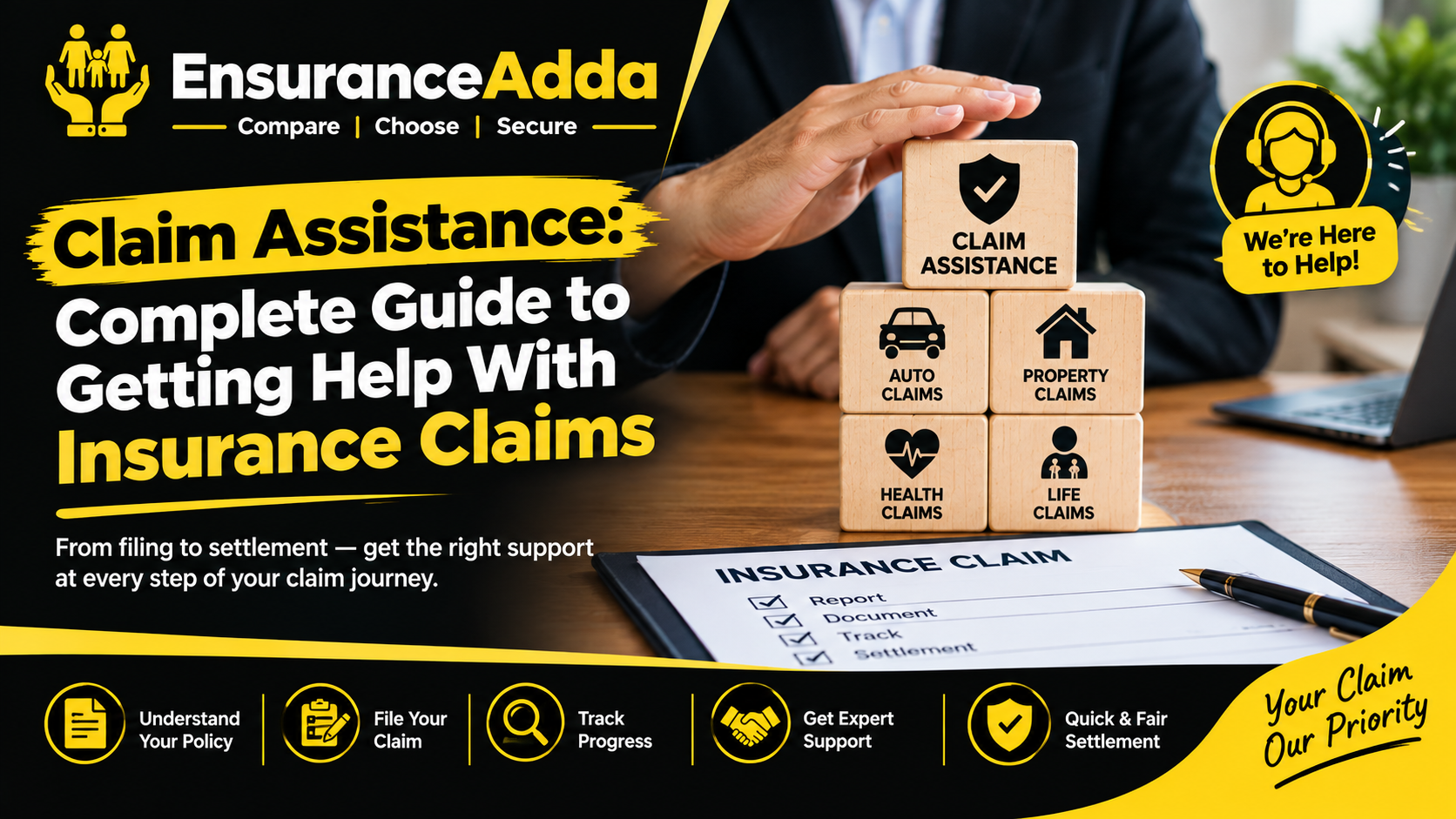
When an accident, hospitalization, property loss, or other unexpected event occurs, filing an insurance claim can quickly become stressful. Understanding policy terms is one challenge; gathering documents, notifying the insurer, following deadlines, communicating with surveyors or TPAs, and tracking the claim can be another.
This is where Claim Assistance can make a meaningful difference. The right guidance can help policyholders understand what steps to take, which documents may be required, and how to communicate clearly throughout the claims journey.
Insurance claim assistance does not mean someone can guarantee approval or change an insurer’s decision. Instead, it can help make the process more organized and easier to navigate. Insurers generally assess claims according to policy terms, documentation, applicable regulations, and the circumstances of the loss. (Policybazaar)
In this guide, we explain what Claim Assistance means, how it works, when you may need it, the role of digital tools, common mistakes to avoid, and answers to frequently asked questions.
What Is Claim Assistance?
Claim Assistance refers to guidance and support provided to a policyholder during the insurance claims process.
Depending on the type of insurance, assistance may involve:
● Understanding the claim procedure
● Reporting the incident to the insurer
● Preparing required documents
● Organizing bills, reports, photographs, and other evidence
● Understanding communication received from the insurer
● Tracking claim progress
● Identifying missing information
● Understanding the next steps after a claim decision
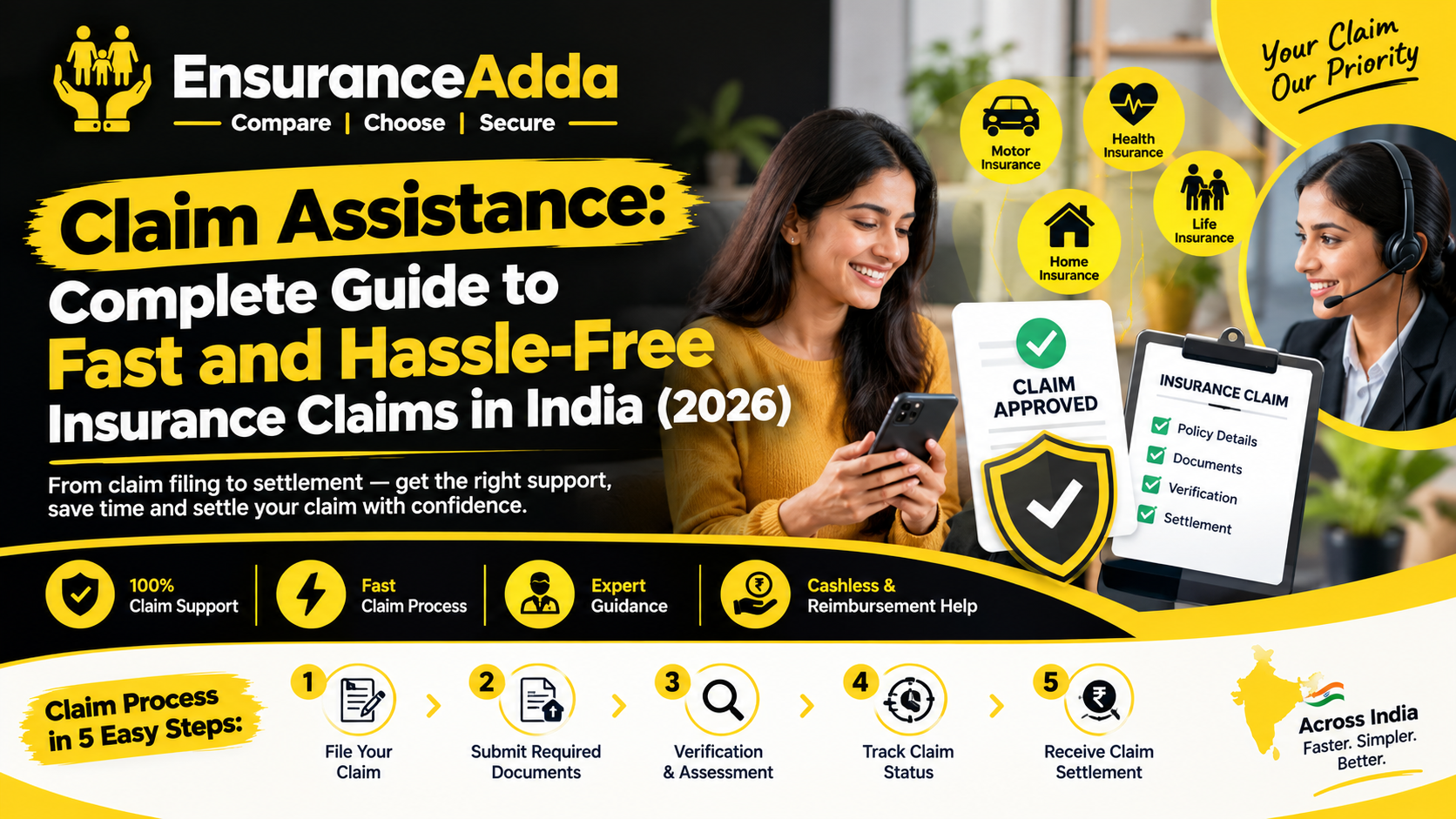
For example, life insurers commonly describe the claims journey through stages such as claim initiation, document submission, assessment, verification, and settlement. (HDFC Life)
The exact process varies according to the policy, insurer, claim type, and circumstances.
Why Is Claim Assistance Important?
Insurance policies can contain technical terminology that is difficult to interpret during a stressful situation.
A structured assistance process can help you:
1.Understand the procedure before submitting documents
2. Create a checklist of supporting evidence
3. Avoid preventable documentation mistakes.
4. Keep records of correspondence.
5. Follow up systematically.
6. Understand what happens after submission.
However, assistance should not be confused with claim approval. The insurer remains responsible for assessing the claim according to the applicable policy terms and rules..
How Does the Insurance Claim Process Work?
Although procedures differ across health, motor, life, travel, and other insurance categories, many claims follow a similar pattern.
1. Report the Incident
The first step is generally to notify the relevant insurer or claims administrator.
Depending on the policy, notification may be possible through:
● Website
● Mobile application
● Customer-care number
● Email
● Branch
● Hospital or TPA
● Authorized representative
Some insurers provide dedicated claim-registration channels and claim-status facilities. (Canara HSBC Life Insurance)
2. Collect Supporting Documents
Documentation is one of the most important parts of a claim.
Common documents may include:
● Policy details
● Identity proof
● Claim form
● Bills and invoices
● Medical records
● Hospital discharge documents
● Police or FIR documents where applicable
● Repair estimates
● Photographs of damage
● Bank details
● Proof of ownership
The exact requirements should always be checked against your insurer’s instructions and policy conditions
3. Submit the Claim
Once the required information has been collected, submit the claim through the insurer’s designated channel.
Keep copies of everything you submit.
A simple folder containing the claim form, receipts, photographs, emails, reference numbers, and correspondence can make future follow-ups much easier.
4. Claim Assessment
The insurer may review the documents and investigate the circumstances where necessary.
For some claims, this may involve a surveyor, medical assessment, TPA, verification team
5. Decision and Settlement
After assessment, the insurer communicates its decision.
Depending on the claim, the outcome could involve:
● Approval
● Partial settlement
● Request for additional documents
● Repudiation or rejection
If additional information is requested, respond carefully and retain proof of your submission
Claim Assistance Across Different Insurance Types
Claim support is not identical for every insurance product.
| Insurance Type | Common Claim Issues | Useful Assistance |
| Health Insurance | Bills, medical records, cashless/reimbursement procedures | Document checklist and claim-process guidance |
| Motor Insurance | Accident reporting, repair estimates, photographs | Damage documentation and claim tracking |
| Life Insurance | Death certificate, nominee documents, policy records | Form preparation and document organization |
| Travel Insurance | Delays, cancellations, medical emergencies, baggage loss | Evidence collection and claim submission guidance |
| Home Insurance | Property damage and loss assessment | Property damage and loss assessment |
| Personal Accident | Medical records and accident evidence | Document preparation and process guidance |
The requirements can vary significantly between insurers and policies, so generalized advice should never replace the actual policy wording.

Digital Claim Assistance: Apps and Online Tools
Technology is changing how policyholders manage claims.
Today, insurers and intermediaries increasingly provide online claim-registration, tracking, and assistance facilities. Some services allow users to submit information digitally and monitor progress without repeatedly visiting an office. (Policybazaar)
A package damage claim assistant app tool helper, for example, could potentially help a customer organize photographs, invoices, delivery records, and other evidence after receiving damaged goods.
The most useful digital tools can help with:
● Document checklists
● Claim notifications
● Photo uploads
● Claim-status tracking
● Reminder management
● Communication records
● Policy information
● Frequently asked questions
What Should a Good Claim Assistance Tool Offer?
A useful digital solution should ideally provide:
- Simple navigation: Users should understand what to do next.
- Document organization: Important files should be easy to locate.
- Status tracking: Users should be able to monitor progress.
- Security: Sensitive insurance and personal information must be handled responsibly.
- Clear disclaimers: The tool should explain whether it is an insurer, broker, facilitator, or independent information service.
Digital convenience is valuable, but users should still verify important information with the insurer
Claim Assistance vs. Claim Settlement
One of the biggest misunderstandings about insurance support is assuming that an assistance provider controls the claim outcome.
These are different functions.
Claim Assistance focuses on helping the policyholder navigate the process.
Claim Settlement is the insurer’s decision to pay an eligible claim, subject to policy terms and applicable requirements.
For example, insurance assistance platforms may explicitly state that they act as facilitators rather than surveyors and that the insurer makes the final settlement or rejection decision. (Policybazaar)
This distinction is important because no legitimate assistance service should promise guaranteed claim approval.
What About Claims Assistant Jobs Remote?
The insurance industry also creates employment opportunities related to claims administration.
People searching for claims assistant jobs remote may find roles involving administrative and customer-support responsibilities.
Typical responsibilities can include:
● Reviewing claim documentation
● Updating claim records
● Communicating with customers
● Coordinating with internal departments
● Following up on missing information
● Maintaining digital records
● Scheduling assessments
● Supporting claims professionals
Remote availability depends on the employer, location, role, regulatory requirements, and company policies.
Candidates interested in this career path can strengthen their profile by developing knowledge of:
● Insurance terminology
● Documentation
● Customer service
● Data entry
● Communication
● Claims workflows
● Relevant insurance regulations
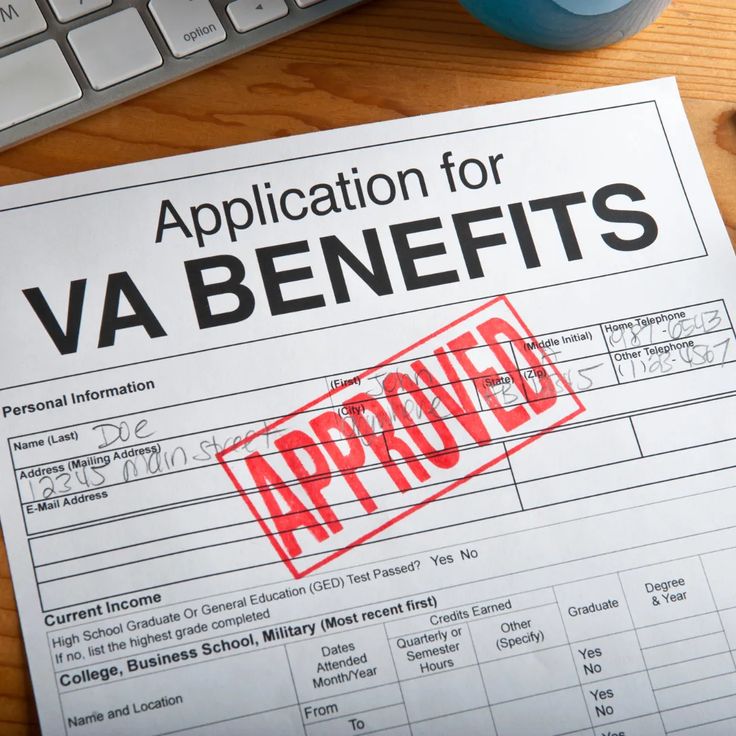
What Is VA Disability Claim Assistance?
The phrase va disability claim assistance generally refers to support for veterans navigating disability-benefit claims through the U.S. Department of Veterans Affairs.
This is different from ordinary commercial insurance claim assistance.
Because VA disability claims involve a government benefits system rather than a standard private insurance policy, applicants should use appropriate official resources and qualified representatives where necessary.
Anyone seeking this type of help should be especially careful about services that make unrealistic promises or request unnecessary personal information.
Pro Tips for a Smoother Claim
Pro Tip 1: Read Your Policy Before You Need It
Do not wait until an emergency occurs.
Understand:
● Coverage
● Exclusions
● Deductibles
● Waiting periods
● Claim notification requirements
● Required documents
● Important limitations
Pro Tip 2: Document the Incident Immediately
Where appropriate and safe, take photographs or videos of the damage or incident.
Record relevant dates, locations, invoices, medical documents, repair estimates, and communication details.
Pro Tip 3: Keep a Claim File
Create a digital and physical record containing:
- Claim reference number
- Submitted documents
- Policy information
- Emails and messages
- Bills and receipts
- Photographs
- Insurer responses
Pro Tip 4: Never Alter Evidence
Do not modify photographs, invoices, medical records, or other evidence to strengthen a claim.
Providing inaccurate or misleading information can create serious problems during assessment.
Pro Tip 5: Ask for Clarification
If the insurer requests additional documents or information, make sure you understand exactly what is required.
Clear communication can reduce unnecessary back-and-forth.
Common Myths About Claim Assistance
Myth 1: Claim Assistance Guarantees Approval
False. Assistance can help with process navigation, but eligibility and settlement remain subject to the insurer’s assessment.
Myth 2: You Do Not Need to Read Your Policy
False. Policy terms determine coverage, exclusions, conditions, and limitations.
Myth 3: More Documents Always Mean a Better Claim
False. Relevant and authentic documents are more useful than unnecessary paperwork.
Myth 4: Digital Claims Are Always Faster
Not necessarily. Online submission can make communication easier, but claim timelines depend on complexity, documentation, verification, and the insurer’s process.
Myth 5: A Claims Helper Can Override the Insurer
False. A legitimate assistance service cannot independently change an insurer’s contractual decision.
How to Choose a Reliable Claim Assistance Service
Before using an assistance provider, check:
● Who operates the service?
● Is the business properly identified?
● What exactly does it provide?
● Does it clearly explain its limitations?
● Does it protect personal information?
● Are fees clearly disclosed?
● Does it avoid guaranteed-settlement promises?
● Can you independently verify its contact details?
Be cautious if someone asks for sensitive information through an unverified phone number, email address, or messaging account.
Official insurer channels should be preferred for submitting highly sensitive documents unless you have independently verified the third party.
How EnsuranceAdda Can Help You Understand Claims
Insurance information can be confusing, particularly when you are dealing with an accident, hospitalization, vehicle damage, or another unexpected event.
EnsuranceAdda focuses on making insurance information easier to understand through guides covering areas such as health insurance, motor insurance, car insurance, bike insurance, personal accident insurance, and related topics. (Motor Claim Guide)
The platform can therefore serve as an educational starting point for readers who want to understand insurance concepts before taking the next step.
For an actual claim, however, always confirm the latest requirements directly with your insurer or the appropriate official claims authority.
Frequently Asked Questions About Claim Assistance
1. What is Claim Assistance?
Claim Assistance is support that helps policyholders understand and navigate an insurance claim, including documentation, submission, follow-ups, and general process guidance.
2. Does Claim Assistance guarantee claim approval?
No. Claim approval depends on policy coverage, evidence, applicable terms, and the insurer’s assessment.
3. Can I file an insurance claim online?
Yes. Many insurers provide online claim-registration and tracking facilities, although available channels differ by insurer and product. (Canara HSBC Life Insurance)
4. What documents are normally required for an insurance claim?
Requirements vary, but may include the policy document, claim form, identity information, bills, photographs, medical records, repair estimates, and other evidence related to the loss.
5. Is a claim assistance app safe?
It depends on the provider. Check who operates the application, what data it collects, how information is protected, and whether it is an insurer, broker, facilitator, or independent service.
6. What is a package damage claim assistant app tool helper?
It is a term that may describe a digital tool designed to help users organize and manage claims relating to damaged packages, including evidence, receipts, photographs, and claim communications.
7. What are claims assistant jobs remote?
These are remote insurance-support positions that may involve documentation, customer communication, claim administration, record keeping, and coordination.
8. What does VA disability claim assistance mean?
It generally refers to assistance with U.S. Department of Veterans Affairs disability-benefit claims. It is separate from ordinary private insurance claim assistance.
9. Can an insurance company reject my claim?
Yes. An insurer may reject a claim when it determines that the loss is not covered or that applicable policy requirements have not been satisfied. The specific reason should be reviewed against the policy and claim information.
10. What should I do if I disagree with a claim decision?
Start by reviewing the decision and the applicable policy terms. Ask the insurer for clarification or reconsideration where appropriate and use the applicable grievance or dispute-resolution process if the issue remains unresolved.
Final Takeaway: Make Claim Assistance Part of Your Insurance Plan
A claim is where insurance protection becomes real, but the process can feel complicated when you are dealing with an emergency or financial loss.
Claim Assistance can make the journey easier by helping you understand procedures, organize documents, communicate effectively, and track important steps. However, assistance should never be confused with a guarantee of settlement.
The smartest approach is to stay informed, maintain accurate records, read your policy, use verified insurer channels, and seek professional or official help when a claim becomes complicated.
Ready to understand insurance claims better? Explore the latest insurance guides on EnsuranceAdda and build your knowledge before you need to file a claim.