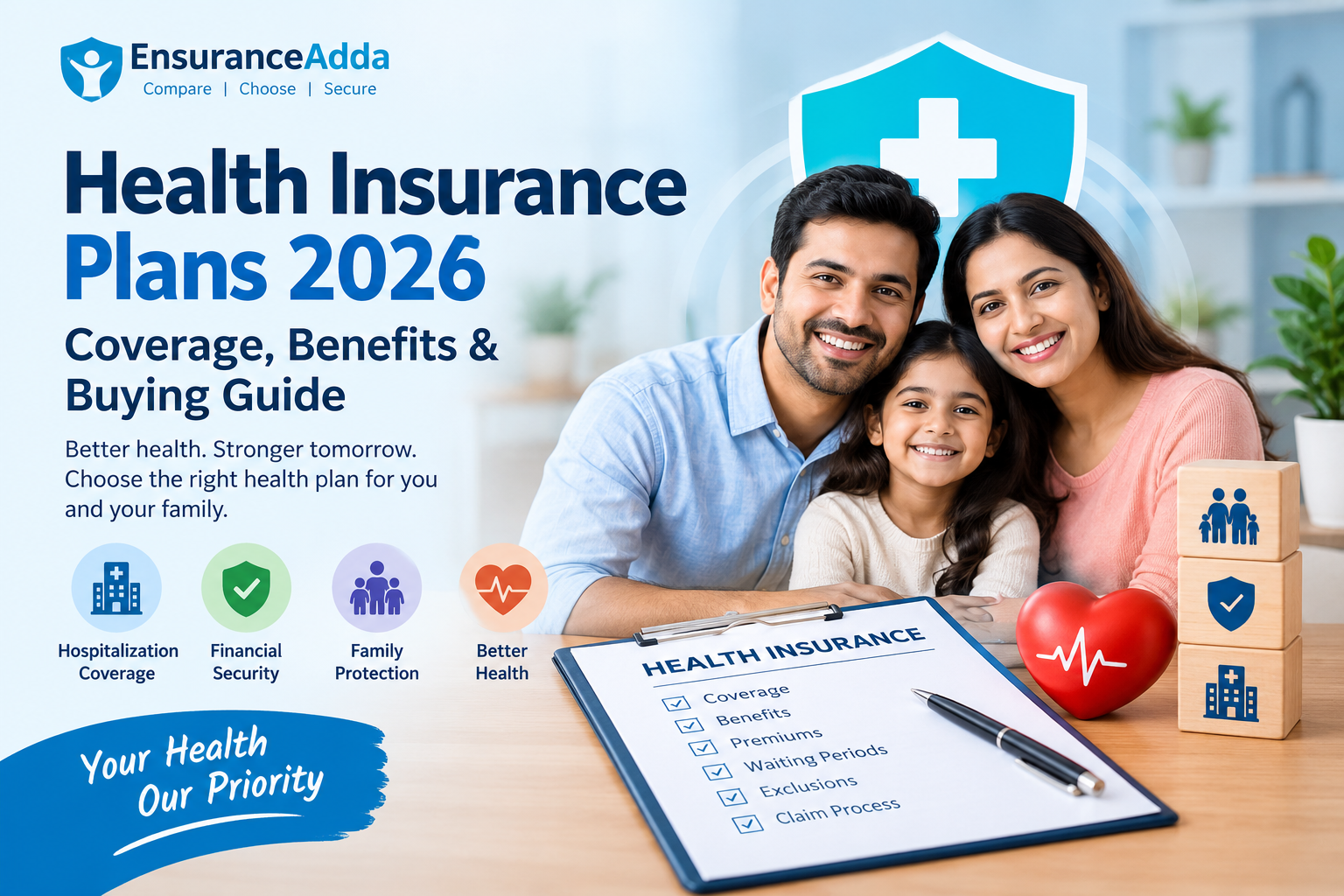

Medical expenses can put considerable pressure on your savings, especially when a family member needs hospitalisation or specialised treatment. A suitable health insurance policy can help cover eligible medical expenses and provide financial support when unexpected healthcare costs arise.
However, choosing the right policy is not always easy. Insurance companies offer different sum insured options, cashless hospital networks, restoration benefits, waiting periods and exclusions. A policy with a low premium may not necessarily provide the coverage you need.
In this guide, we explore the Best Health Insurance Plans in India 2026 to compare in India in 2026. You will learn about their general features, who may consider them and what to check before buying a policy.
The plans below are a comparison shortlist, not a universal ranking. The right option depends on your age, budget, medical history, family size and preferred hospitals.
Why Is Health Insurance Important in 2026?
Healthcare expenses can vary significantly depending on the hospital, city, treatment and length of stay. Without adequate insurance, a major medical event could require you to use emergency savings or other financial resources.
Health insurance can offer several advantages:
- Financial protection: Helps pay eligible expenses covered by your policy.
- Cashless treatment: Enables eligible treatment at network hospitals, subject to insurer authorisation and policy conditions.
- Hospitalisation coverage: May cover room charges, surgery, medicines and other eligible expenses.
- Pre- and post-hospitalisation benefits: May cover specified medical expenses before and after admission.
- Family protection: A family floater can cover multiple insured family members under a shared sum insured.
- Tax benefits: Eligible premiums may qualify for tax benefits under applicable tax rules and regimes.
Before purchasing, check the policy wording rather than relying only on promotional descriptions.
Top 10 Best Health Insurance Plans to Compare in India
The following plans are available options worth researching for 2026. Their suitability depends on the coverage terms, current product version, premium quotation and your individual requirements.
1. HDFC ERGO Optima Secure+
HDFC ERGO Optima Secure+ is worth comparing if you want a comprehensive health insurance policy with additional coverage features.
Key features to check:
- Additional coverage through the plan’s Secure benefit.
- Coverage enhancement and restoration features, subject to policy terms.
- Hospitalisation and eligible pre- and post-hospitalisation expenses.
- Available individual and family floater options.
Suitable for: Individuals and families seeking broader hospitalisation coverage.
Before buying: Confirm the applicable sum insured, benefit activation conditions, exclusions and premium for your age group.
2. Care Supreme
Care Supreme is another option for people comparing comprehensive health insurance plans.
Key features to check:
- Cumulative bonus options.
- Restoration of eligible health insurance coverage.
- Hospitalisation and specified related expenses.
- Optional benefits that may expand coverage.
Suitable for: Families and individuals who want to compare higher coverage and restoration features.
Before buying: Review the conditions under which restored coverage can be used, including whether it applies to the same illness or subsequent claims.
3. Aditya Birla Health Activ One MAX
Activ One MAX may appeal to buyers interested in health insurance combined with wellness-related benefits.
Key features to check:
- Sum insured enhancement features.
- Restoration benefits under applicable conditions.
- Wellness and preventive health benefits.
- Optional coverage for certain pre-existing conditions, subject to eligibility and underwriting.
Suitable for: Individuals and families who value wellness features alongside hospitalisation coverage.
Before buying: Check which wellness rewards are available, how they are earned and whether optional benefits require additional premiums.
4. Niva Bupa ReAssure 3.0 Black
Niva Bupa ReAssure 3.0 Black is an option to compare if you want a policy with enhanced restoration and coverage accumulation features.
Key features to check:
- Repeated restoration benefits under the applicable plan variant.
- Coverage accumulation features.
- Hospitalisation benefits.
- Optional benefits and their conditions.
Suitable for: Buyers who want to compare policies offering repeated access to eligible cover.
Before buying: Understand the exact trigger for restoration, applicable limits and any co-payment or benefit-specific conditions.
5. SBI General Super Health Platinum Infinite
SBI General’s Super Health Platinum Infinite is worth reviewing if you want to compare a plan with multiple coverage and restoration features.
Key features to check:
- Available sum insured choices.
- Restoration and renewal-related benefits.
- Hospitalisation coverage.
- Waiting periods and pre-existing disease provisions.
Suitable for: Individuals and families looking for a broad range of benefits.
Before buying: Verify the current product brochure and policy wording for the version offered to you.
6. Star Health Super Star
Star Health Super Star is another health insurance plan to consider when comparing individual and family coverage options.
Key features to check:
- Available coverage options and add-ons.
- Hospitalisation and eligible related expenses.
- Restoration or bonus features included in your selected variant.
- Terms for pre-existing diseases and specified treatments.
Suitable for: Buyers who want to compare a health-focused insurer’s available policy options.
Before buying: Check the network hospitals you may use regularly and review the policy’s exclusions and claim procedures.
7. ICICI Lombard Elevate
ICICI Lombard Elevate is an option for buyers who prefer a policy with customisable coverage choices.
Key features to check:
- Available add-ons and optional benefits.
- Hospitalisation coverage.
- Restoration and other enhanced benefits, where selected.
- Policy limits, waiting periods and exclusions.
Suitable for: Individuals or families who want to customise their insurance coverage.
Before buying: Compare the base policy with the final quotation, including any add-ons and their extra premiums.
8. ACKO Platinum Health Insurance
ACKO’s Platinum health insurance offering is worth investigating if you prefer a digital insurance purchase and servicing experience.
Key features to check:
- Available sum insured and policy variants.
- Cashless hospital access.
- Coverage limits and eligible hospitalisation expenses.
- Digital policy servicing and claim support.
Suitable for: Buyers who value digital policy management and want to compare the actual coverage offered.
Before buying: Verify the exact product name, current availability, policy terms and network hospitals for your location.
9. Tata AIG MediCare Premier
Tata AIG MediCare Premier is another plan to review when comparing health insurance options for broader medical needs.
Key features to check:
- Hospitalisation coverage.
- Pre- and post-hospitalisation benefits.
- Available additional benefits.
- Coverage limits, exclusions and waiting periods.
Suitable for: Buyers who want to compare established insurers and different coverage structures.
Before buying: Check whether the specific treatment or benefit you need is covered and whether a separate limit applies.
10. Bajaj General Health Care Supreme Ultimo
Bajaj General Health Care Supreme Ultimo is worth comparing with other comprehensive plans before making a final decision.
Key features to check:
- Available sum insured options.
- Hospitalisation benefits and associated limits.
- Restoration or bonus features included in the chosen version.
- Waiting periods, exclusions and co-payment conditions.
Suitable for: Individuals and families who want another option for comparing coverage and premium.
Before buying: Verify the current policy brochure, premium quotation and conditions for using additional benefits.
Note: Insurers may revise product names, features, availability and terms. This list is a research shortlist, not a claim that each plan is best for every buyer. Verify all details with the insurer before purchasing.
Comparison Table: Which Health Insurance Plan Should You Explore?
| Plan | Main reason to compare | What to verify |
|---|---|---|
| HDFC ERGO Optima Secure+ | Enhanced coverage features | Benefit conditions and premium |
| Care Supreme | Restoration and bonus features | Restoration rules and limits |
| Activ One MAX | Wellness-related benefits | Reward eligibility and add-ons |
| ReAssure 3.0 Black | Restoration and coverage accumulation | Trigger conditions and limits |
| Super Health Platinum Infinite | Broad coverage options | Current benefits and waiting periods |
| Star Health Super Star | Health insurance policy choices | Hospital network and exclusions |
| ICICI Lombard Elevate | Customisable coverage | Add-on costs and restrictions |
| ACKO Platinum | Digital servicing | Exact product terms and availability |
| MediCare Premier | Comprehensive coverage comparison | Benefit-specific limits |
| Health Care Supreme Ultimo | Additional comparison option | Current wording and co-pay rules |
No single plan is automatically the best for everyone. Compare like-for-like quotations using the same insured members, sum insured and relevant add-ons.
How to Choose the Best Health Insurance Policy
1. Select an Appropriate Sum Insured
The sum insured is the maximum coverage available under the policy, subject to its terms and limits. Consider your family size, healthcare costs in your city, savings and potential medical needs before selecting the amount.
2. Check the Cashless Hospital Network
Confirm whether your preferred hospitals are part of the insurer’s current network. A large nationwide network is useful, but nearby hospitals that you would actually use are especially important.
3. Understand Waiting Periods
Policies can include an initial waiting period, specified disease waiting periods and waiting periods for pre-existing conditions.
Under applicable IRDAI regulations, the waiting period for disclosed pre-existing diseases cannot exceed 36 months of continuous coverage. Specific waiting periods are also subject to regulatory limits and policy terms. Always confirm the applicable waiting period for the plan you choose.
4. Review Room-Rent Limits and Co-Payments
A room-rent restriction can affect the amount payable for hospital expenses. A co-payment means that you pay a specified portion of an eligible claim yourself.
Look for these restrictions in the policy wording and customer information sheet before buying.
5. Compare Restoration and No-Claim Benefits
Restoration can replenish eligible coverage after it has been used, while a no-claim bonus may increase coverage or reduce renewal premiums, depending on the policy.
Check when these benefits apply and whether they have conditions or limits.
6. Disclose Medical History Honestly
Provide accurate details about existing medical conditions, previous treatments and relevant medical history. Non-disclosure can create claim complications.
7. Compare the Final Premium
Do not choose a policy based only on its advertised starting price. Obtain a quotation based on your actual age, location, medical disclosures, family members and selected benefits.
What Documents Are Needed to Buy Health Insurance?
The exact requirements vary by insurer and applicant. Commonly requested information may include:
- Identity and age proof.
- Address and contact details.
- Details of the people to be insured.
- Medical history and existing condition disclosures.
- Medical reports or tests, if required by the insurer.
- Payment details for the premium.
Keep a copy of the proposal form, policy schedule and customer information sheet for future reference.
Frequently Asked Questions
1. Which is the best health insurance plan in India in 2026?
There is no single best plan for everyone. Compare the sum insured, exclusions, waiting periods, network hospitals, co-payments and premium to find a suitable option for your needs.
2. How much health insurance coverage should I choose?
The appropriate amount depends on your family size, age, location, financial situation and expected healthcare needs. Consider local hospital costs and whether you can afford additional expenses not covered by the policy.
3. Can I buy health insurance for my entire family?
Yes. Many insurers offer family floater policies that cover eligible family members under a shared sum insured. Individual policies may be worth comparing when members have different medical needs or ages.
4. Does health insurance cover pre-existing diseases?
Coverage depends on the policy, the disclosed condition and the applicable waiting period. Disclose medical history accurately and confirm the waiting period and any exclusions before purchasing.
5. What is the difference between cashless and reimbursement claims?
In a cashless claim, the insurer or its claims administrator settles eligible expenses directly with a network hospital, subject to approval and policy terms. In reimbursement, you pay the hospital first and submit the required documents for assessment.
6. Can I change my health insurance company?
Portability may allow you to move to another insurer while retaining eligible accrued benefits, subject to applicable rules and acceptance requirements. Check the process and timelines before your current policy expires.
7. Is a low-premium health insurance plan always better?
No. A lower premium may come with restrictions, higher co-payments, lower coverage or fewer benefits. Compare the full policy terms and total potential out-of-pocket costs.
Conclusion
Choosing from the Best Health Insurance Plans in India 2026 requires more than comparing company names or premiums. You should examine the actual coverage, waiting periods, hospital network, room-rent conditions, co-payments and claim procedures before deciding.
The plans listed in this guide provide a starting point for your research in 2026. Shortlist the options that suit your family’s needs, compare current quotations and read the policy documents carefully.
A well-chosen health insurance policy can help protect your savings against eligible medical expenses and give you greater confidence when planning for unexpected healthcare needs.