
Riding a bike in India is part convenience and part adventure. Crowded roads, sudden potholes and unpredictable traffic mean accidents can happen to anyone. That is why bike insurance online has become the preferred choice for millions of riders. You can compare plans, pay and download your policy in minutes, all without visiting an office.
This complete guide covers everything you need to know about buying two-wheeler insurance online: the types of plans, what is covered, how to compare, and how to avoid common mistakes.
What Is Bike Insurance?
Bike insurance is a contract between you and an insurance company. You pay a premium, and the insurer covers financial losses from accidents, theft, fire, natural calamities and damage to a third party, depending on the plan you choose.
Under the Motor Vehicles Act, 1988, having at least a third-party insurance policy is mandatory for every motorcycle, scooter or moped on Indian roads. Riding without valid insurance can lead to heavy fines and legal trouble.
Why Buy Bike Insurance Online?
Buying two-wheeler insurance online has clear advantages over the traditional agent route:
- Speed: The whole process can take just a few minutes.
- Easy comparison: You can view multiple insurers’ plans, prices and features side by side.
- Transparency: Coverage, exclusions and add-ons are listed clearly, so there is less room for confusion.
- Convenience: Buy or renew anytime from your phone or laptop.
- Instant policy: Your policy document arrives by email or message right after payment.
- Easy renewal: Reminders and one-click renewal help you avoid a lapse.
Types of Two-Wheeler Insurance Plans
1. Third-Party Bike Insurance
This is the legally required minimum. It covers your liability for injury, death or property damage caused to another person by your bike. It does not cover damage to your own vehicle. Third-party premiums are set by the insurance regulator, IRDAI, so they are the same across insurers for a given engine capacity.
2. Comprehensive Bike Insurance
This plan combines third-party liability with own-damage cover. It protects your bike against accidents, theft, fire, floods, earthquakes and similar events. For most riders, especially owners of newer bikes, comprehensive bike insurance offers far better protection.
3. Standalone Own-Damage Cover
If you already hold a long-term third-party policy, you can buy a separate own-damage policy to cover your bike itself.
4. Long-Term Bike Insurance
Some plans bundle third-party cover for multiple years, which can reduce the hassle of yearly renewals. Check the current rules and insurer offerings when you buy.
What Does Bike Insurance Cover?
A comprehensive policy typically covers:
- Accidental damage to your bike
- Theft of the vehicle
- Fire and explosion
- Natural calamities such as floods, storms and earthquakes
- Man-made events such as riots
- Third-party injury, death or property damage
- Personal accident cover for the owner-rider (mandatory with most policies)
What Is Usually Not Covered?
Knowing exclusions prevents unpleasant surprises at claim time. Common exclusions include:
- Normal wear and tear and mechanical breakdown
- Damage while riding without a valid licence
- Damage while riding under the influence of alcohol or drugs
- Consequential damage, such as engine damage from driving through floodwater without a relevant add-on
- Claims made on a lapsed policy
Key Terms You Should Understand
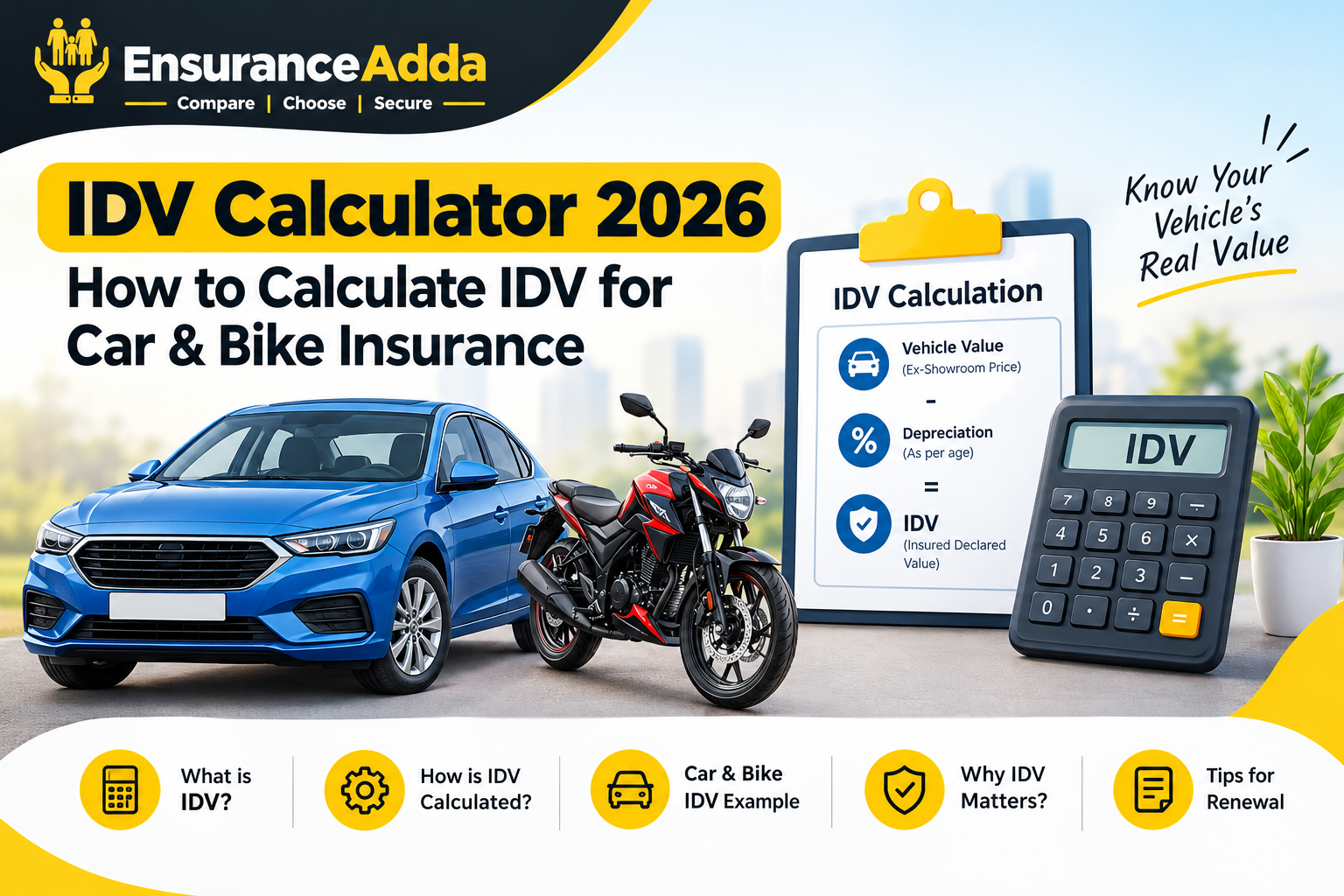
Insured Declared Value (IDV)
IDV is the current market value of your bike and the maximum amount the insurer pays if your bike is stolen or damaged beyond repair. A higher IDV means a higher premium, but a more realistic payout. Do not lower the IDV just to save money, because it reduces your claim amount.
No Claim Bonus (NCB)
NCB is a reward for every claim-free year, given as a discount on your own-damage premium. It generally increases with each consecutive claim-free year and can go up to 50%. NCB belongs to you, not the bike, so you can usually carry it over when you switch insurers or buy a new bike.
Deductibles
This is the portion of the claim you pay yourself. Opting for a higher voluntary deductible can lower your premium, but it increases your out-of-pocket cost during a claim.
Popular Add-Ons Worth Considering
Add-ons let you customise your policy:
- Zero depreciation cover: Pays for replaced parts without deducting depreciation. Valuable for newer bikes.
- Engine protection cover: Covers engine and gearbox damage from water ingress or oil leakage.
- Roadside assistance: Help with breakdowns, flat tyres or towing.
- Return to invoice: Pays the original invoice value if the bike is stolen or totalled.
- Consumables cover: Covers items such as engine oil, nuts and bolts used during repairs.
- Pillion rider cover: Extends accident cover to your passenger.
Pick only what suits your bike’s age, usage and your city’s riding conditions. Extra add-ons raise the premium.
How to Buy Bike Insurance Online: Step by Step
- Keep your details ready. You will need your bike’s registration number, make, model, variant, registration date and, for renewals, the previous policy details.
- Visit the insurer or aggregator website or app. Enter your vehicle number to fetch details.
- Select the plan type. Choose third-party or comprehensive cover.
- Set your IDV. Review the suggested value and adjust only if it makes sense.
- Add NCB and add-ons. Enter your NCB percentage and select the add-ons you want.
- Compare quotes. Look beyond the price at coverage, claim process and network garages.
- Pay online. Use UPI, net banking, card or wallet.
- Download your policy. Save the PDF and keep a copy on your phone.

How to Compare Bike Insurance Plans
A cheap premium is not always the best deal. Check these factors:
- Claim settlement ratio: Shows how many claims an insurer settles, which indicates reliability.
- Cashless garage network: More garages near you mean smoother repairs.
- Claim process: Look for simple digital claim filing and quick surveyor allocation.
- Customer reviews: Real user experiences reveal service quality.
- Coverage and exclusions: Read the policy wording carefully.
- Premium vs. value: Balance cost with benefits.
Factors That Affect Your Bike Insurance Premium
- Engine capacity (cc) of the bike
- Age and model of the vehicle
- IDV
- Your city of registration
- NCB history
- Add-ons selected
- Voluntary deductible chosen
Tips to Lower Your Bike Insurance Premium
- Protect your NCB by avoiding small claims you can pay for yourself
- Choose a sensible voluntary deductible
- Compare quotes every year before renewing
- Pick only the add-ons you really need
- Install approved anti-theft devices where applicable
- Ride safely and keep your bike well maintained
Bike Insurance Renewal: Do Not Let It Lapse
Renew your policy before the expiry date. A lapsed policy means you ride uninsured, which is illegal, and you risk losing your NCB benefits. A vehicle inspection may also be required to reinstate an expired policy. Set a reminder a few weeks before expiry and renew online in minutes.
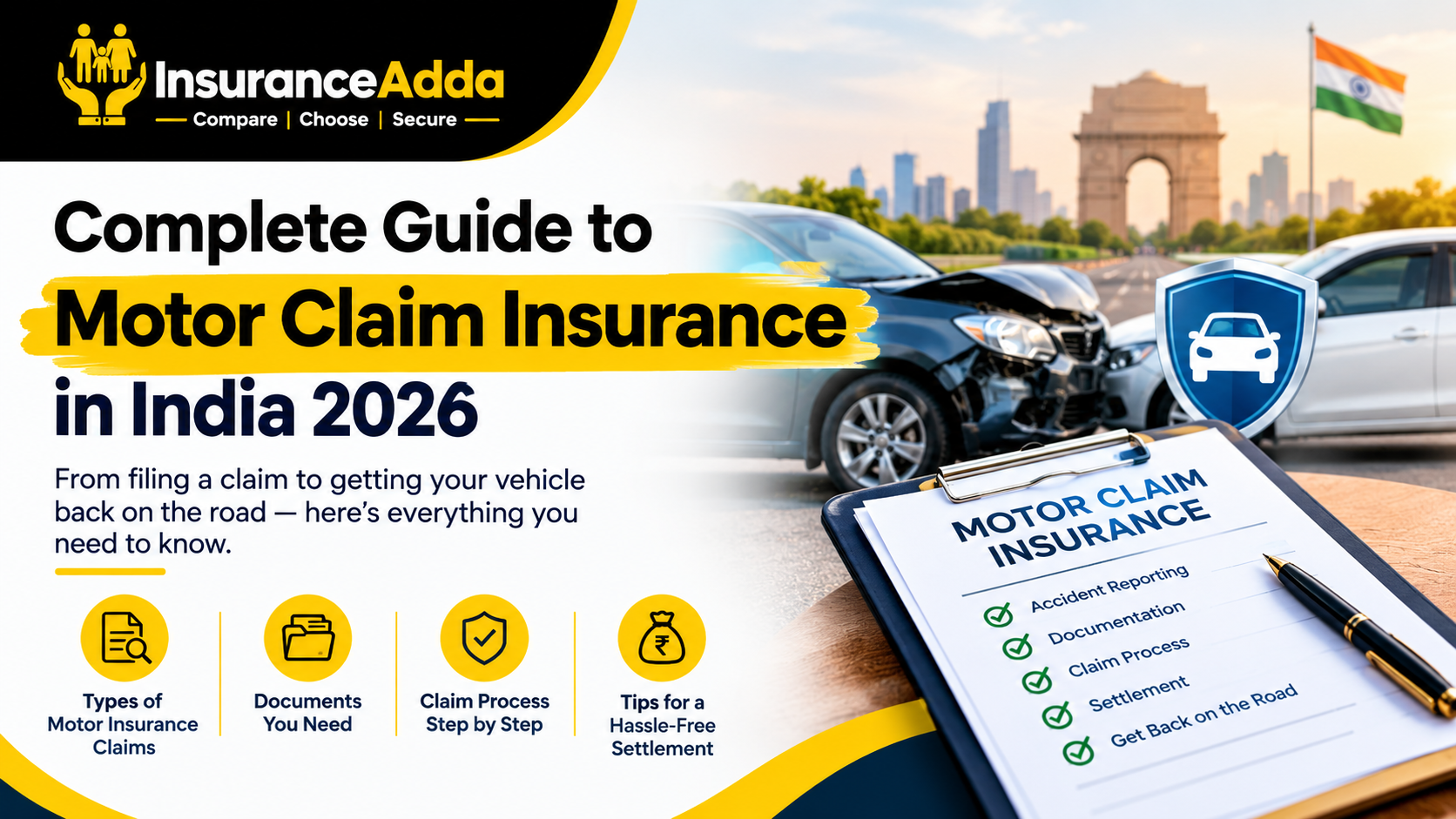
How to File a Bike Insurance Claim
- Inform your insurer immediately through the app, website or helpline.
- For theft or major accidents, file an FIR with the police.
- Share photos and documents as requested.
- A surveyor assesses the damage.
- Get repairs done at a cashless garage, or pay and claim reimbursement.
- Track claim status online until settlement.
Common Mistakes to Avoid
- Choosing the cheapest policy without reading the coverage
- Understating IDV to cut the premium
- Giving incorrect details about the bike or past claims
- Ignoring add-ons that matter for your bike
- Forgetting renewal dates
- Not checking the claim process before buying
Frequently Asked Questions
1. Is bike insurance mandatory in India?
Yes. At least third-party insurance is compulsory under the Motor Vehicles Act.
2. Can I buy bike insurance online without an agent?
Yes. You can buy directly from an insurer or through a comparison platform, with no agent needed.
3. How long does it take to buy bike insurance online?
Usually only a few minutes, and the policy is issued instantly after payment.
4. Can I transfer my NCB to a new bike?
Generally yes. NCB is linked to you as the owner, so it can be carried to a new bike policy with proof.
5. Is comprehensive bike insurance better than third-party?
Comprehensive gives wider protection because it covers your own bike as well as third-party liability, so it suits most riders better.
6. What happens if my policy expires?
You lose continuity, may lose your NCB, and face legal risk if you ride uninsured. Renew on time.
Conclusion
Buying bike insurance online is quick, transparent and affordable when you know what to look for. Understand your IDV and NCB, compare plans on coverage and claim service rather than price alone, add only useful extras, and renew before expiry. With the right two-wheeler insurance, every ride is safer for you and your wallet.