Introduction
Motor insurance is one of the most important financial protections for vehicle owners. Whether you own a car, bike, or commercial vehicle, motor insurance helps cover financial losses caused by accidents, theft, natural disasters, or third-party liabilities. In today’s fast-moving world, road accidents and vehicle damages are becoming increasingly common, making motor insurance essential for every driver.
A motor claim insurance process allows policyholders to request compensation from the insurance company after a covered incident. Understanding how motor insurance claims work can help vehicle owners avoid confusion during emergencies and ensure a smooth settlement process.
Motor insurance policies generally cover damages caused by accidents, fire, floods, theft, riots, and third-party liabilities. However, the coverage depends on the type of policy purchased. Comprehensive motor insurance offers wider protection, while third-party insurance only covers damages caused to another person or property.
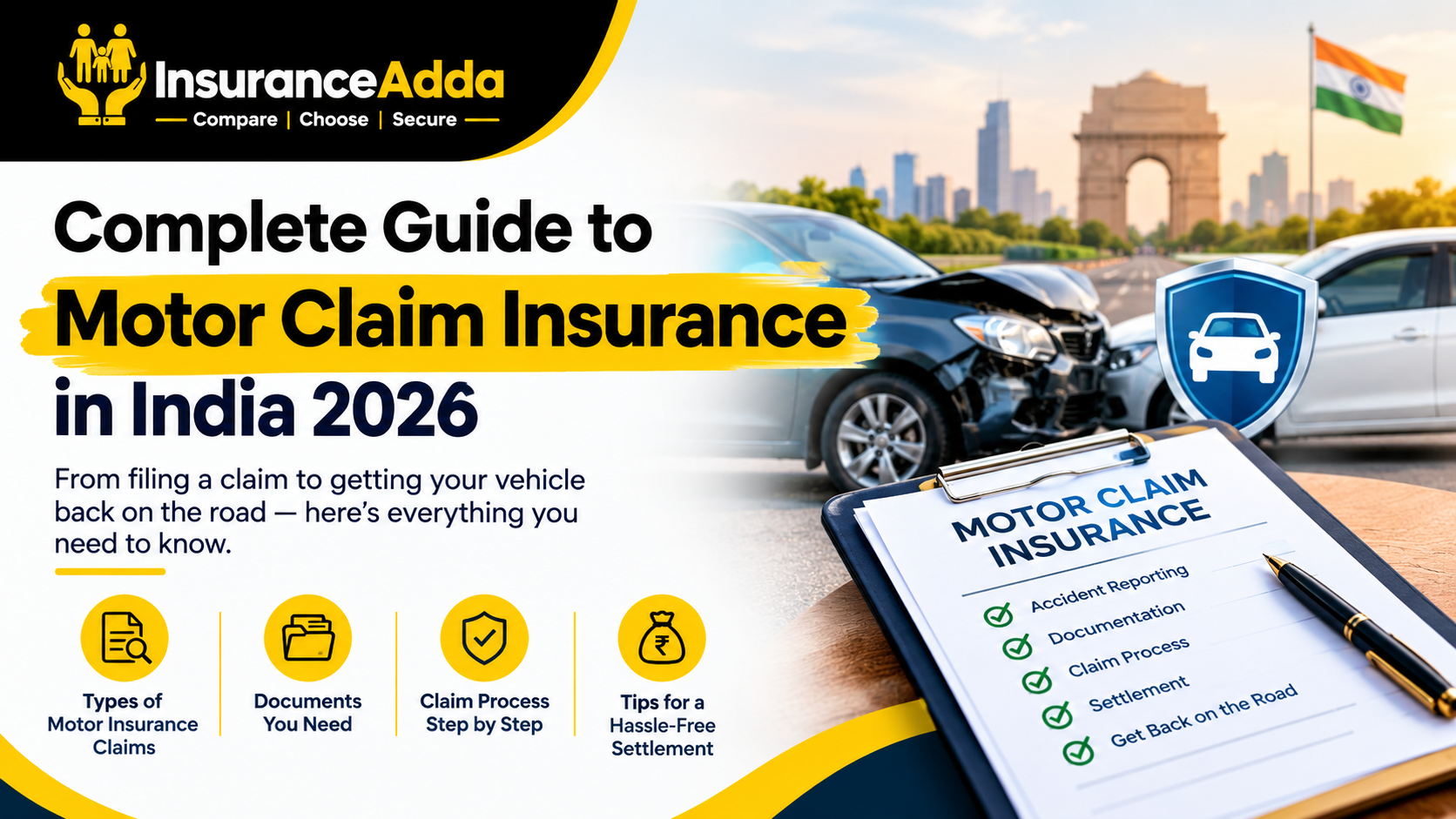
The process of filing a motor insurance claim usually begins immediately after an accident or vehicle damage. The policyholder should inform the insurance company, take photographs of the damage, file an FIR if required, and submit the necessary documents. Insurance companies may also appoint a surveyor to inspect the damage before approving the claim.
One of the biggest advantages of motor insurance is financial security. Vehicle repairs can be expensive, especially after major accidents. Insurance helps reduce the financial burden and ensures peace of mind for policyholders. Additionally, having valid motor insurance is mandatory in many countries, including India, under the Motor Vehicles Act.
Another important concept in motor insurance is the No Claim Bonus (NCB). If a policyholder does not make any claim during the policy year, they receive a discount on the premium during renewal. Safe drivers can benefit significantly from accumulated NCB discounts.
Choosing the right motor insurance policy requires comparing several factors such as premium cost, claim settlement ratio, garage network, add-on covers, and customer support. Add-ons like zero depreciation cover, engine protection, roadside assistance, and return-to-invoice cover provide extra benefits and improve overall protection.
Digitalization has also transformed the motor insurance industry. Today, customers can buy policies online, renew insurance instantly, track claim status, and even upload claim documents through mobile apps. This has made the entire claim process faster and more transparent.
Understanding the exclusions of motor insurance is equally important. Insurance companies usually do not cover normal wear and tear, driving without a valid license, drunk driving, or mechanical breakdowns. Reading the policy terms carefully can help avoid claim rejection.
In conclusion, motor claim insurance is an essential safeguard for vehicle owners. A proper understanding of the claim process, policy coverage, and claim requirements can save time, money, and stress during emergencies. Whether you are purchasing a new policy or renewing an existing one, always compare insurance plans carefully and choose a policy that offers maximum coverage at an affordable premium.
Comparison Between Different Types of Motor Insurance
| eature | Third-Party Insurance | Comprehensive Insurance | Standalone Own Damage Insurance |
|---|
| Coverage | Covers third-party damages only | Covers third-party + own vehicle damages | Covers only own vehicle damages |
| Mandatory by Law | Yes | No | No |
| Vehicle Damage Coverage | No | Yes | Yes |
| Theft Protection | No | Yes | Yes |
| Natural Disaster Coverage | No | Yes | Yes |
| Premium Cost | Low | Higher | Moderate |
| Add-On Covers Available | Limited | Yes | Yes |
FAQ Motor Claims
1. What is a motor insurance claim?
A motor insurance claim is a request made by a policyholder to the insurance company for compensation against vehicle damages or losses covered under the policy.
2. What documents are required for a motor claim?
Common documents include the insurance policy copy, RC book, driving license, FIR (if needed), repair bills, and claim form.
3. What is a cashless motor claim?
A cashless claim allows vehicle repairs at a network garage where the insurer directly pays the approved repair amount.
4. How long does motor claim settlement take?
The settlement time depends on the insurer and damage severity, but most claims are settled within a few days after document verification.
5. What is No Claim Bonus (NCB)?
NCB is a discount offered on the renewal premium when no claim is made during the policy year.
6. Can a motor insurance claim be rejected?
Yes, claims may be rejected due to policy violations, drunk driving, expired insurance, or incomplete documentation.
7. Is motor insurance mandatory?
Yes, at least third-party motor insurance is mandatory for vehicles in India.
Conclusion For Motor Claim Insurance
Motor claim insurance plays a crucial role in protecting vehicle owners from unexpected financial losses. From minor accidents to major damages, a reliable motor insurance policy ensures financial assistance and peace of mind. Understanding policy coverage, claim procedures, and exclusions can help policyholders avoid complications during emergencies. Before purchasing insurance, always compare plans, claim settlement services, and add-on benefits to choose the best coverage for your needs. A well-informed insurance decision can save both time and money in the long run.
Disclaimer Motor Claim Insurance
The information provided in this blog is for educational and informational purposes only. Insurance policies, claim procedures, and coverage terms may vary depending on the insurance company and applicable regulations. Readers are advised to verify policy details directly with the insurer before making any insurance-related decisions. This content does not constitute legal or financial advice.